Our track record
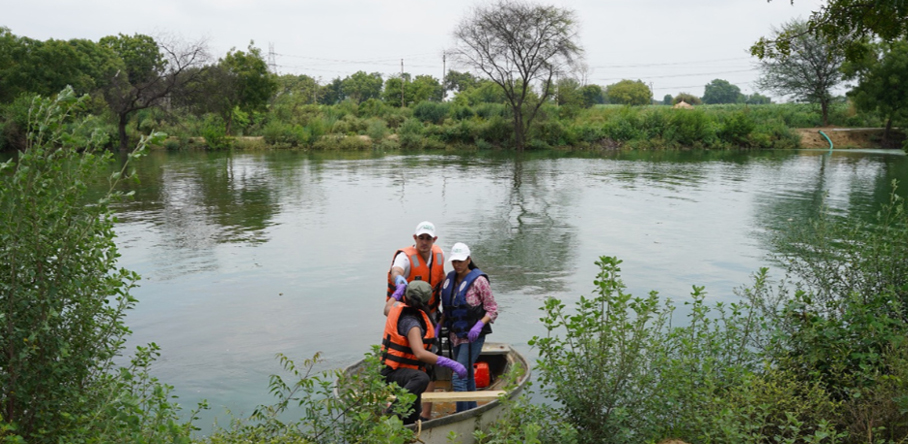
Liquid Trees has assessed over 45 river-based carbon projects across 10 countries to select those with the highest potential to make sure your investment improves water quality, protects native aquatic life, and sequesters carbon. Some of our past river projects include: Jamuna River (Bangladesh), Kech River (Pakistan), Kenchab River (Pakistan), Salinas River (Mexico), Conchos River (Mexico), Amba River (India).

Introducing the world’s largest outdoor photobioreactor
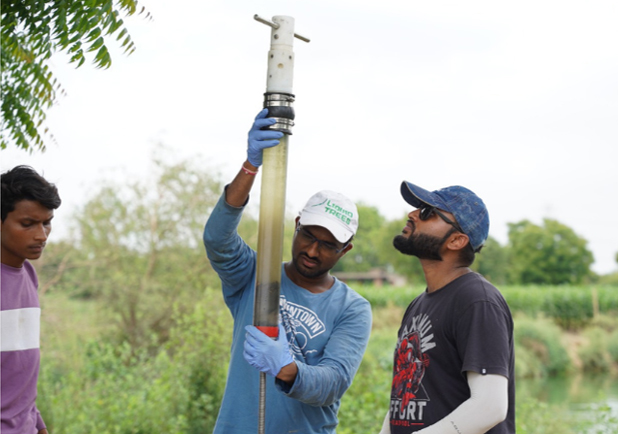
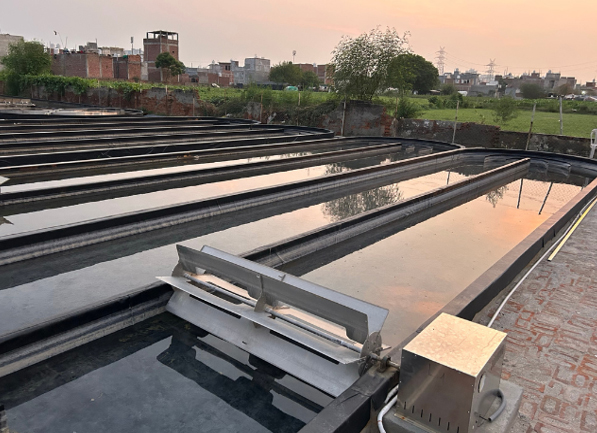
In collaboration with DS Group, Liquid Trees helped deploy the world’s largest and India’s first urban photobioreactor (“Liquid Tree”). The reactor is filled with microalgae that absorb CO₂, produce oxygen, remove particulate matter, and yield bio-fertilizer. Read the news article.

In a pioneering effort to advance urban sustainability, the Dharampal Satyapal Group (DS Group) partnered with Liquid Trees to unveil India’s first outdoor “Liquid Tree” at DS Headquarters, Noida. The cube holds 1,600 L of microalgae solution—capturing roughly the same CO₂ as six mature trees. It showcases how microalgae can clean air, store carbon in biomass, and support greener cities.
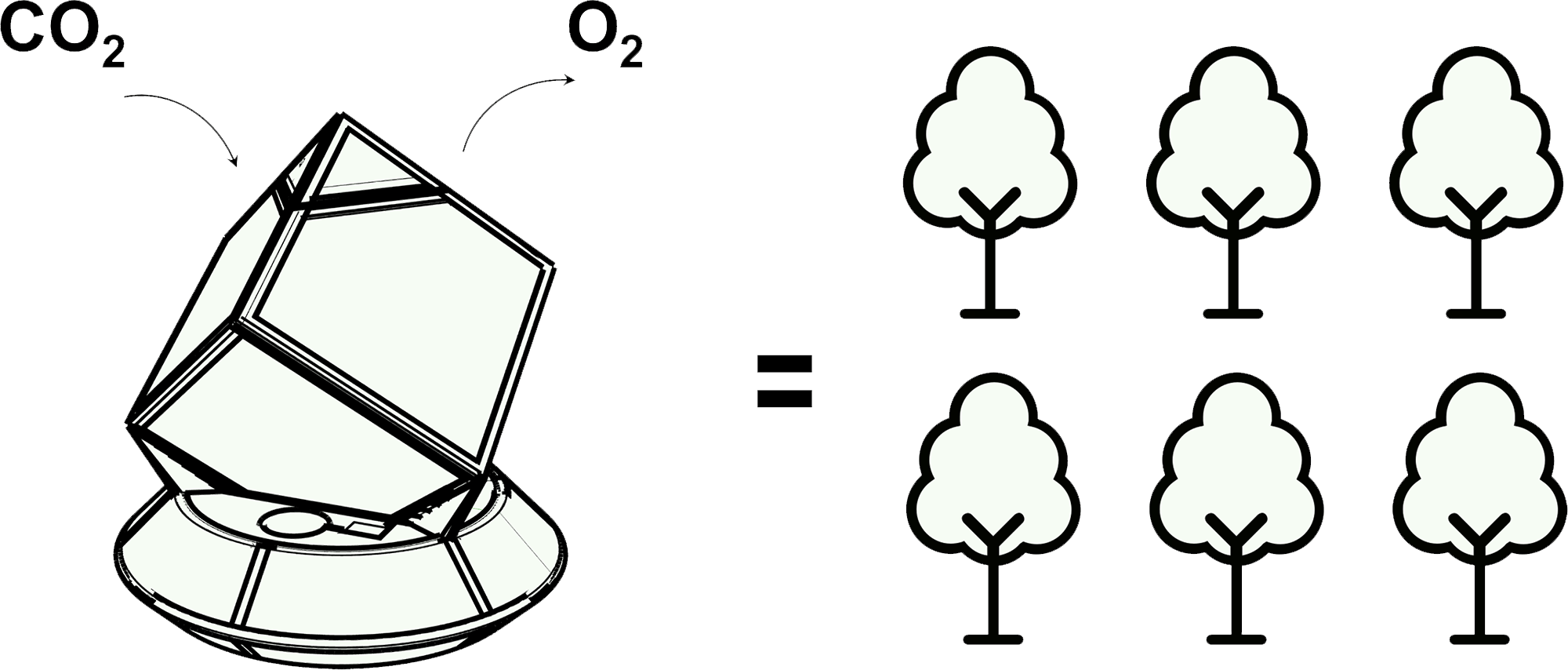
- CO₂ is turned into oxygen by microalgae.
- Carbon ends up stored as biomass.
- Biomass can be harvested as fertilizer.
- About 1.83 kg CO₂ removed per kg biomass.
- Each unit = ~six trees worth of CO₂ removed per year.
From freshwater to ocean restoration
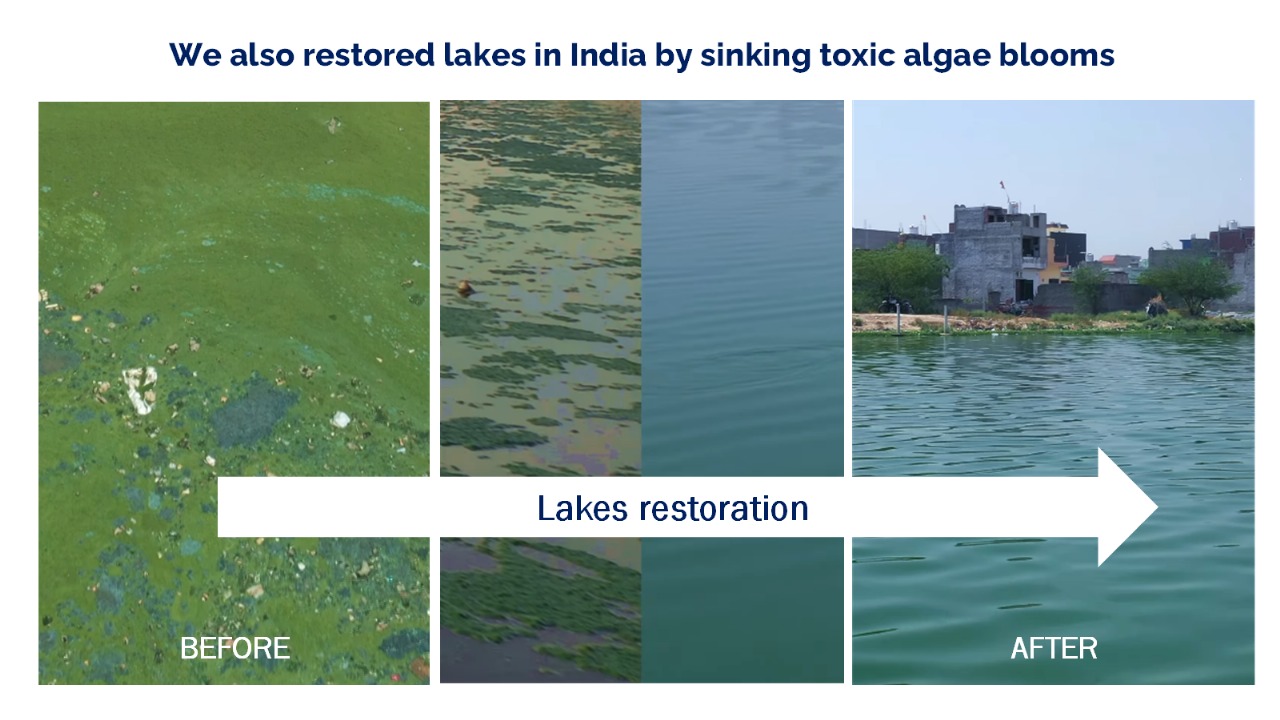
Earlier, our work focused on freshwater bioremediation and carbon removal using diatoms. In rivers, we used bioaugmentation to foster diatoms; in lakes, we targeted harmful algal blooms (HABs).
Why the ocean?
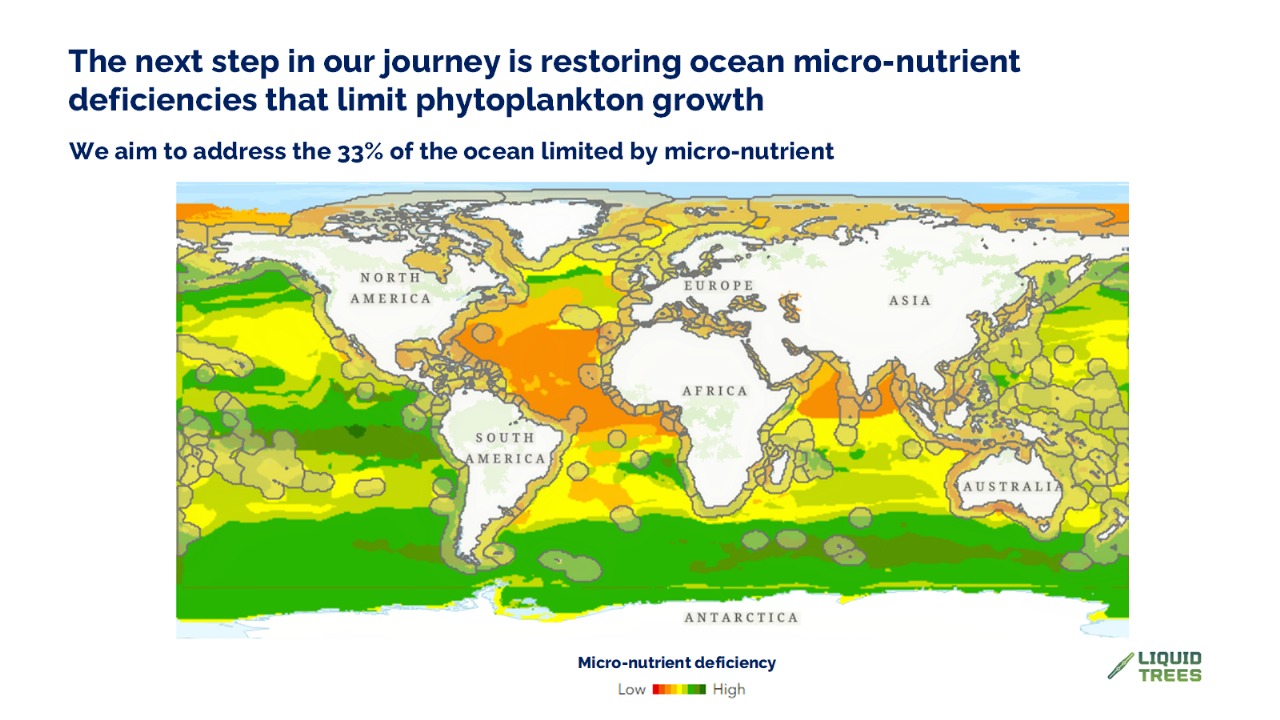
We are expanding to the open ocean with the objective of restoring micronutrient deficiencies. About one-third of the global ocean is limited by micronutrients such as iron.
Why is that?
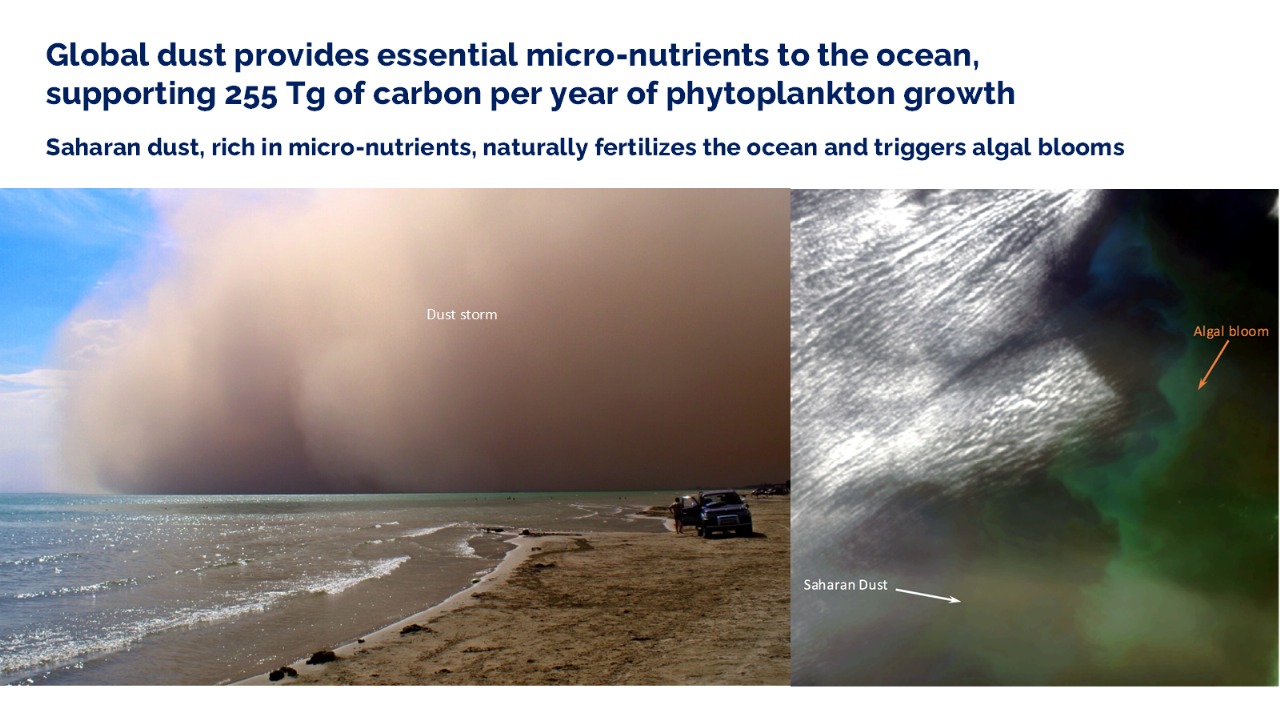
The open ocean receives very few nutrients from land. Wind-blown dust supplies essential trace elements like iron, supporting plankton growth even far offshore. These blooms drive 20–40% of carbon sinking from the surface to the deep ocean annually.
Iron restoration & whales
Industrial whaling removed many of the ocean’s large nutrient recyclers. Whales feed iron-rich prey and return iron to the surface via their waste. Iron restoration aims to rebuild these loops—more diatoms → more krill → better feeding for whales.
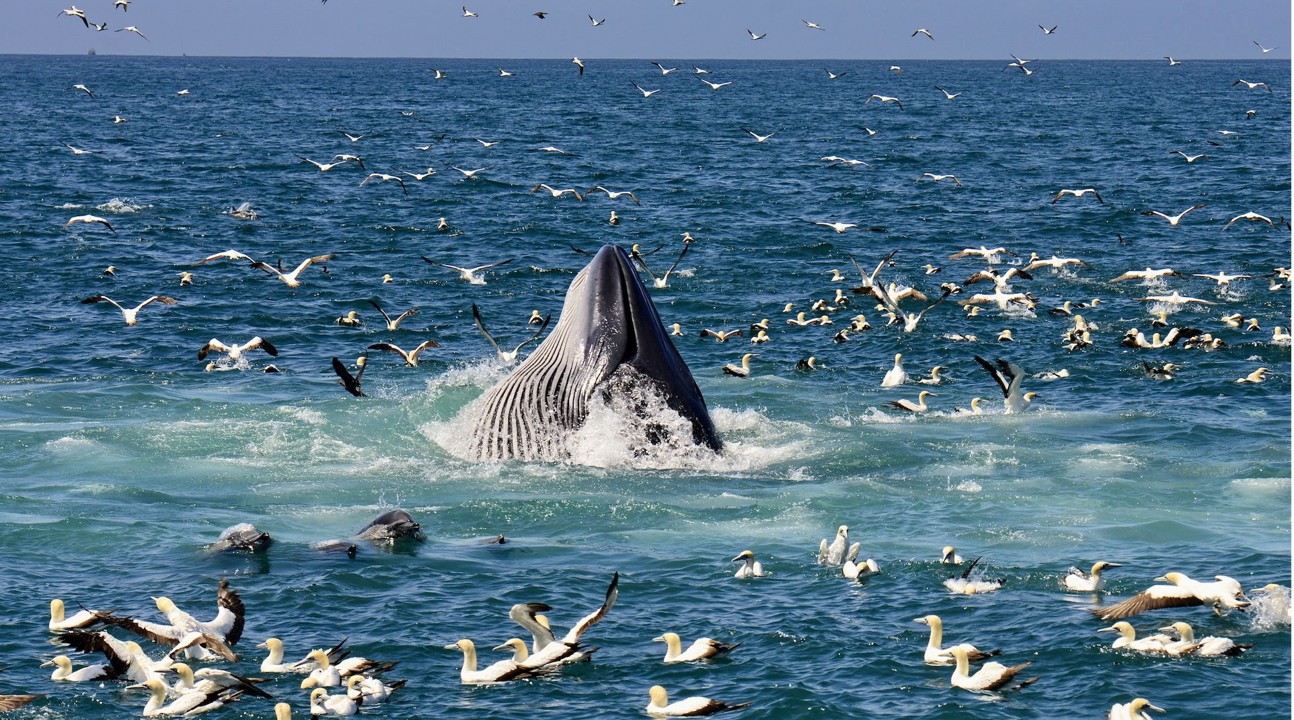

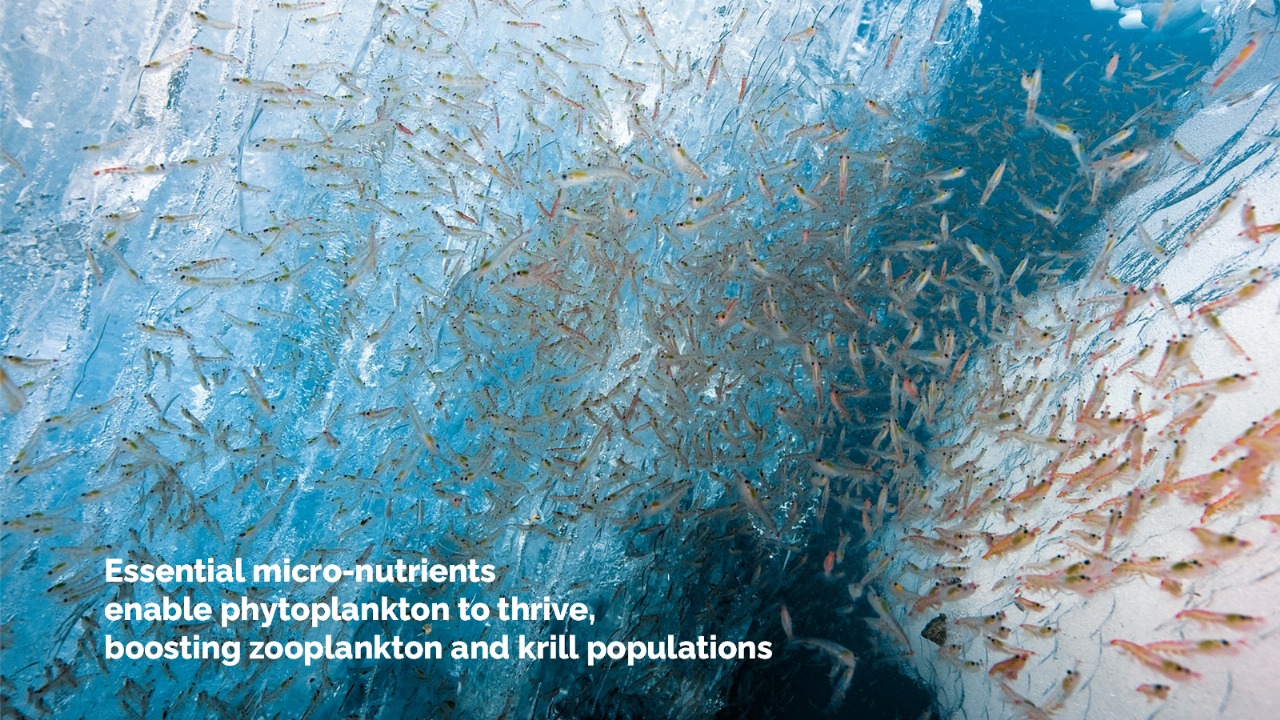
Whales recycle surface nutrients, boosting productivity at the base of the food web.
Further reading
- Science — dust–ocean biogeochemistry
- NOAA — Saharan dust impacts
- Earth-Science Reviews — dust nutrients
- NASA Earth Observatory — video overview
From river catchments to the open ocean, our goal is the same: use measurable, nature-aligned interventions to restore productivity, protect life, and move carbon to lasting stores—openly, cautiously, and with strong science.