Biological response
Field experiments show site- and season-specific phytoplankton responses to iron addition in HNLC waters.
Ocean iron fertilisation research connects iron-limited marine ecosystems to atmospheric carbon, carbon durability and ecosystem response.
Liquid Trees researches four linked requirements: additional net atmospheric CO₂ removal, durability, ecosystem response, and credible measurement, reporting, verification and governance.
Key measurements: quantify air–sea CO₂ flux, trace carbon fate, measure ecological effects and define regulatory and governance thresholds.
Ocean Iron Fertilization (OIF) is a measured, evidence-based method to enhance marine productivity and durably sequester carbon in the deep ocean.
Ocean iron fertilisation mechanism
Trace iron can stimulate phytoplankton growth in HNLC waters. The central questions are how much additional atmospheric CO₂ removal follows, how durable it is and which ecosystem changes accompany it.
Ocean Iron Fertilization (OIF) involves adding trace amounts of bioavailable iron to the surface waters of high-nutrient, low-chlorophyll (HNLC) regions where iron limits phytoplankton growth. The process mimics natural iron inputs to enhance marine productivity and increase the transport of carbon into the deep ocean under rigorous scientific monitoring — helping to mitigate climate change.
Professor Victor Smetacek explains the basics of OIF in this video.
Answering this requires full-system carbon accounting, durable storage, ecological safety, credible measurement and lawful governance at climate-relevant scale.
Scientific and regulatory context: Bach et al. (2023), DOI · IPCC AR6 WGIII, Chapter 12 · IMO assessment framework
Field experiments show site- and season-specific phytoplankton responses to iron addition in HNLC waters.
Measurement must connect air–sea CO₂ exchange, carbon export, remineralisation, circulation and re-emission over relevant timeframes.
Ecological monitoring, uncertainty bounds, independent review and applicable international and national frameworks define the conditions for research.
Field research must establish mechanism, net atmospheric carbon removal, durability, ecological effects and lawful governance.
Define mechanism, local conditions, measurement limits, and ecological context before any intervention is considered.
Distinguish a bloom or carbon export signal from additional net atmospheric removal across the full system.
Test where carbon goes, how long it remains out of the atmosphere, and whether displacement or leakage erodes the result.
Measure ecological indicators alongside carbon pathways; define precautionary thresholds before proceeding.
Enable scrutiny, authority to pause, and a clear decision: proceed only if evidence and legitimacy justify it; otherwise stop.
Evidence and uncertainty
Field studies, observations and models address mechanism, carbon fate, ecological effects and governance; each has stated limits.
Unacceptable ecological risk, an outcome that cannot be measured, inadequate consent or oversight, or evidence that the carbon-removal premise does not hold.
Research should not proceed where ecological risk is unacceptable, outcomes cannot be measured, consent or oversight is inadequate, or the carbon-removal premise fails.
Primary and authoritative sources
Field experiments, syntheses, models and regulatory frameworks are listed with study context, supported conclusions, limitations and relevance to research decisions.
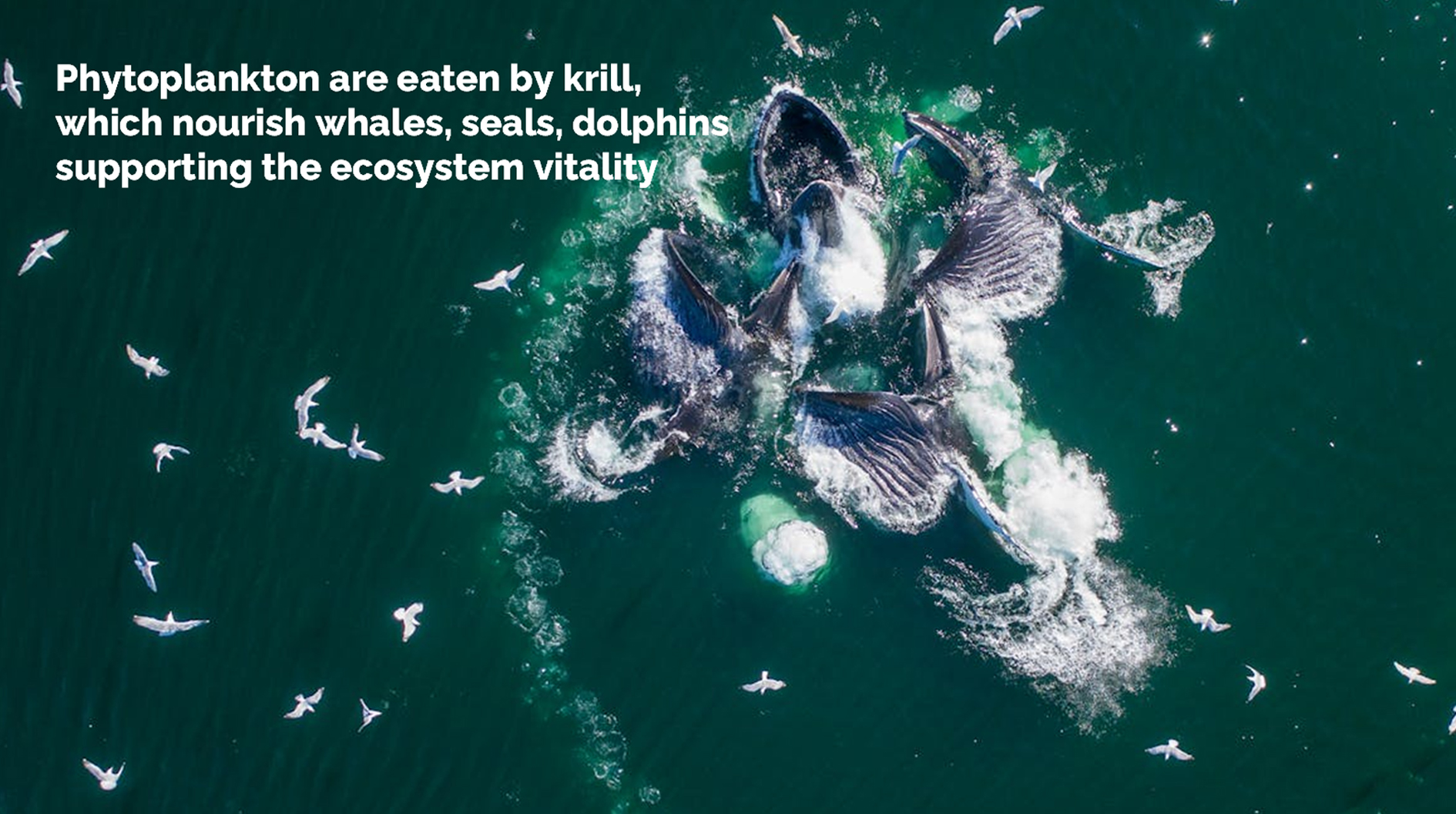
Phytoplankton are the ocean’s invisible forests. Through photosynthesis, they absorb CO₂, fuel food webs, and help transfer carbon into the deep ocean — making them a critical part of Earth’s climate system.
Great whales help recycle iron at the surface. Their feeding and nutrient-rich plumes keep iron bioavailable for phytoplankton, amplifying productivity and linking top predators to microscopic climate work.
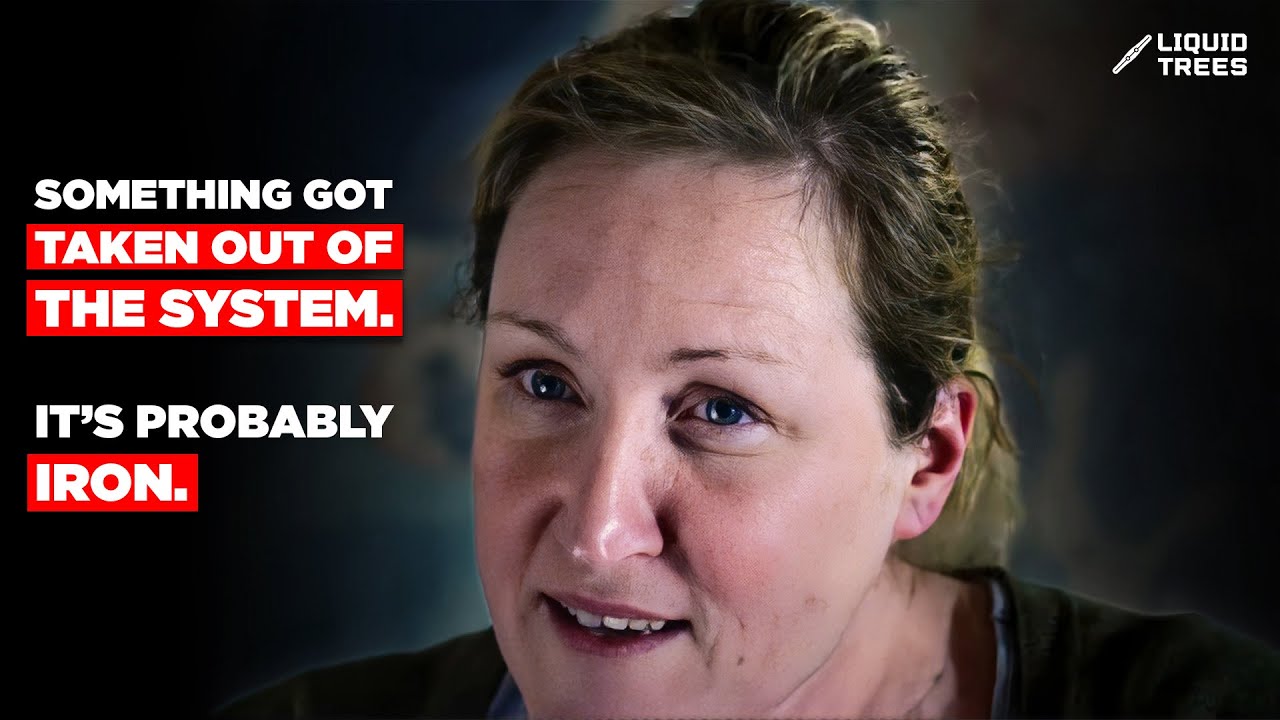
Plankton ecologist Dr. Christine Klaas (AWI) discusses diatoms, silica, and why iron availability flips Southern Ocean ecosystems into bloom — plus what good science and governance need next.
Professor Victor Smetacek traces the pathway: diatoms → krill → whales — and back to iron at the surface. He outlines nature-mimicking OIF to help restore biodiversity in the Southern Ocean by reviving the iron cycle that powers this web.
Risks and governance
Evidence on harmful algal species, nutrient redistribution, oxygen, acidity, trace gases and food webs informs site selection, monitoring thresholds, contingency planning and stop criteria.
Clear, evidence-based answers to the most common questions and headlines.
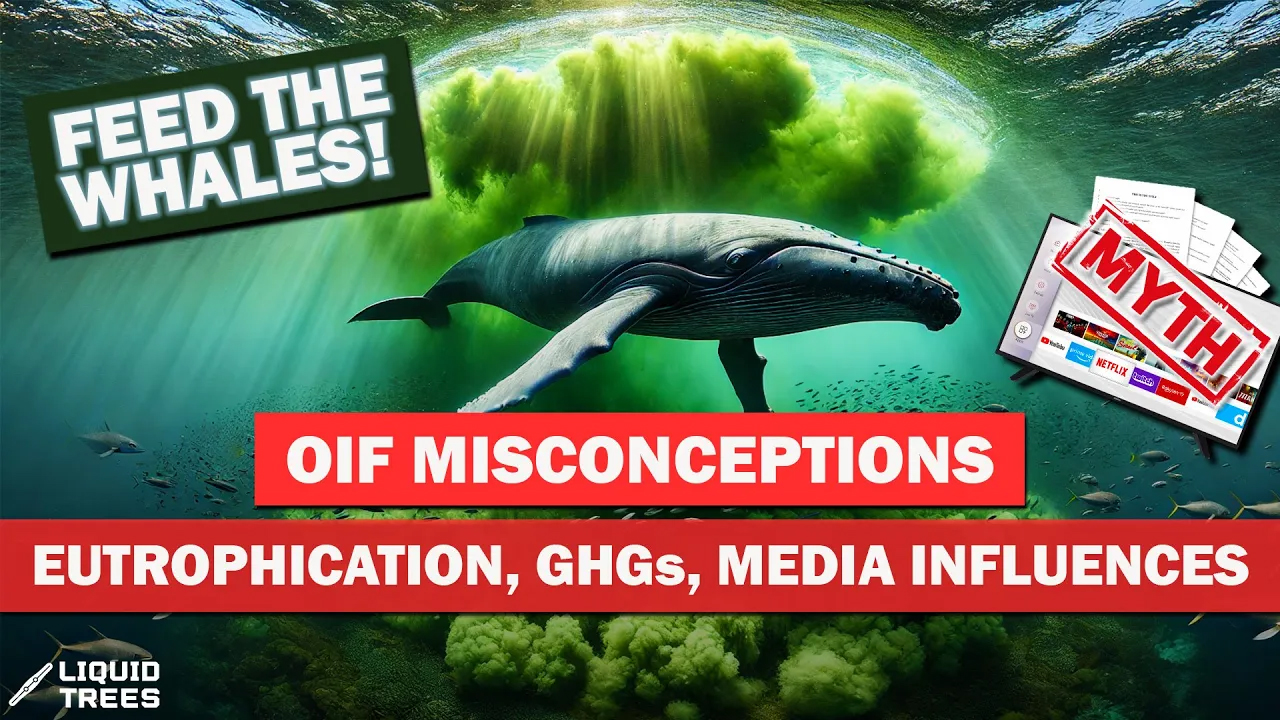
Professor Victor Smetacek addresses domoic acid headlines and harmful-bloom fears — clarifying how toxin events arise, why iron additions aren’t blunt triggers, and how informed, evidence-based design can restore ocean function without fueling fear.
Regional context, carbon-accounting questions, measurement methods, environmental risks and governance determine how OIF evidence can be interpreted. Site conditions, observation design, uncertainty and independent review shape the strength of each conclusion.
Explore site-specific context and observational records.
View South Georgia context →Review ecological effects, uncertainty and monitoring questions.
Review risks →Review applicable frameworks and decision points.
Explore legal context →Physical, chemical and biological observations must define seasonal variability, spatial controls, sampling resolution and counterfactual conditions.
Discuss baseline design ↗The accounting boundary must include air–sea exchange, carbon export and fate, leakage, lifecycle emissions, reversals and confidence intervals.
Discuss MRV methods ↗A viable framework must connect London Convention and Protocol processes, Antarctic Treaty environmental assessment, relevant national authorities, independent review and affected interests.
Discuss governance ↗