Ocean iron fertilisation · research possibilities
Ocean iron fertilisation: Where could OIF be investigated—and what would it take to know?
Field experiments, natural analogues, carbon fate, measurement and governance span three HNLC regions.


The research field at a glance
One mechanism. Three very different ocean systems.
Iron can stimulate phytoplankton in HNLC waters. Whether that produces attributable, durable net atmospheric removal depends on physical transport, ecology, depth, time and the counterfactual.
Equatorial Pacific
Fast advection and strong natural variability make patch tracking and matched references central.
Open the regional evidence → 02Response variesSubarctic North Pacific
Community composition, grazing, silicate and shallow recycling change the particle pathway.
Open the regional evidence → 03Long return pathwaysSouthern Ocean
Deep particle observations still require atmospheric accounting, winter follow-up and downstream measurement.
Open the regional evidence →Regional visual pathways
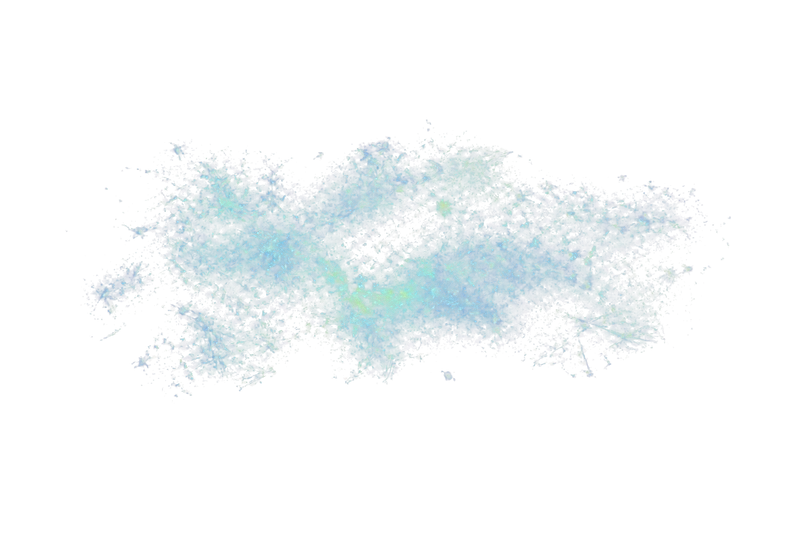
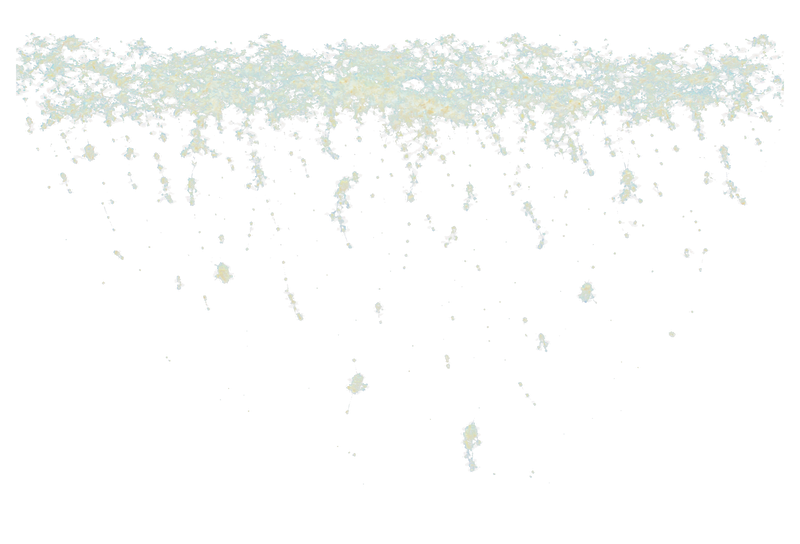
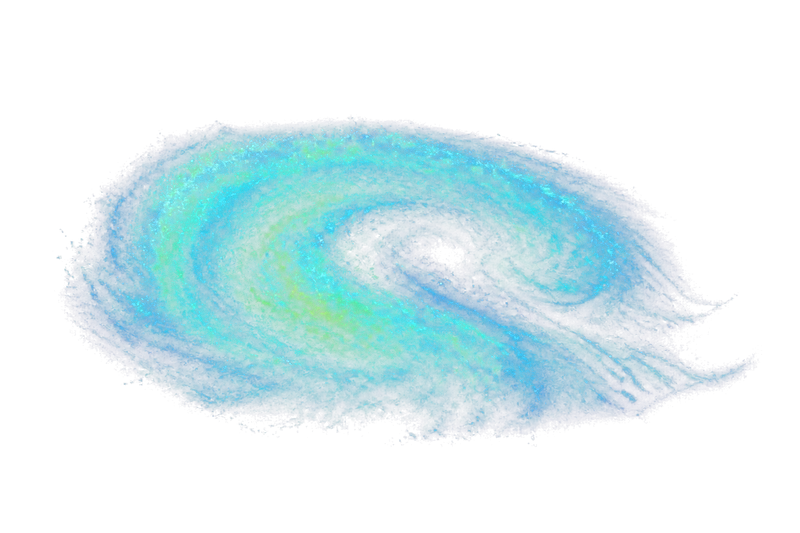
Three regional carbon pathways.
Study-route preview
Three regional records, not one algal outcome.
Community and particle observations remain tied to named studies, methods and depth horizons.
Carbon fate
A visible bloom is the beginning of the accounting chain.
Every transition has distinct measurements and failure modes. Evidence for one step does not establish the next.
Places & evidence contexts
Seven settings show how different OIF outcomes can be.
Experiments, long-term observatories, natural iron supply and a low-response counterexample show distinct OIF outcomes.
Galápagos & eastern equatorial Pacific
Sustained island-and-current iron supply around Galápagos contrasts with geographically separate IronEx pulses in open-ocean equatorial waters.
Equatorial PacificRead the evidence context →02Mesoscale field experiment + long-term observatoryOcean Station Papa & SERIES
SERIES followed an induced diatom bloom through decline, while Line P and Ocean Station Papa provide a rare multi-decadal baseline for physical, chemical and ecological change.
Subarctic North PacificRead the evidence context →03Repeat mesoscale field experimentsSEEDS & SEEDS-II
Two Japan-led experiments near the same season and location produced sharply different outcomes, exposing the importance of seed stock, grazing and physical state.
Subarctic North PacificRead the evidence context →Evidence system
Questions, observations and documented limits.
Observations, model results, unresolved questions, legal frameworks and research decisions remain distinct.
Experiments & observations
Field studies differ in measured variables, time, setting, supported conclusions and inference boundaries.
Open evidence → MeasurementMRV observatory
Satellites, ships, floats, gliders, tracers and particle measurements address distinct accounting questions.
Open measurement → UncertaintyRisks & uncertainties
Each pathway has observable signals, uncertainty and response thresholds.
Open risk register →